top of page

Somewhere in Arunachal, the quiet corners of the forests still hold secrets. In the remote Dibang Valley of Arunachal Pradesh, one such secret has just come to light—a rare and beautiful plant species named Cremanthodium Kalaiselviae, discovered by botanist Dr Vikas Kumar, head of CSIR-Institute of Himalayan Bioresource Technology (CSIR-IHBT). This rare discovery in today’s time shows us the rich ecosystem that Arunachal Pradesh is home to and reminds us of the urgency to protect and preserve it!


It is no secret that Dibang Valley, in Arunachal, is home to some of the rarest and un-discovered species of flora and fauna. Home to stunning landscapes and remote untouched ecosystems, the valley has long been a treasure trove for Botanists & Researchers to unravel the mysteries of Arunachal. Dr Vikas Kumar, a renowned Botanist whose passion for conservation and botanical exploration has driven his illustrious career, put together a team and after conducting extensive field study, ventured into the valley's dense forests. They were greeted by hundreds of types of flowers, but it was Cremanthodium Kalaiselviae that stood out. Eureka!


Cremanthodium Kalaiselviae is a part of the Daisy family (Asteraceae), the same family that includes sunflowers and marigolds. Here are some of the characteristics we know so far:

The flower is yellow in colour and bell-shaped.

It grows in cold, mountainous environments, typically above 4,000 meters (13,000 feet).

It grows low to the ground, like many alpine flowers that need to survive cold winds and snow.

Its petals are arranged in a drooping pattern, which helps protect it from harsh mountain weather.


Dibang Valley, part of the Eastern Himalayas, is home to many rare species of plants and animals. Its rich biodiversity is a treasure, but it is also delicate and under constant threat. Human activities like deforestation, hunting, pollution and unplanned development have a major impact on the valley’s wildlife and plant life. Climate change is making things worse by disrupting weather patterns and threatening species that are sensitive to temperature and rainfall changes.


Dibang Valley - Nature's Paradise in Arunachal

But there is still hope. Each one of us can make a difference with small, everyday actions. Simple steps like using less plastic, recycling, saving water and electricity, and planting native trees can go a long way. When we care for nature, nature cares for us.


The story of Cremanthodium Kalaiselviae is a reminder of the untapped wonders that still lie hidden in the folds of our planet. Dr Vikas’s discovery is a beautiful reminder that nature still has surprises left for us. But it also carries a responsibility—to preserve, to conserve, and to pass on these gifts to the next generation.


"Where the clouds kiss the mountains and every sunrise feels like poetry — Arunachal Pradesh, the Land of the Rising Sun, where nature whispers its timeless beauty."
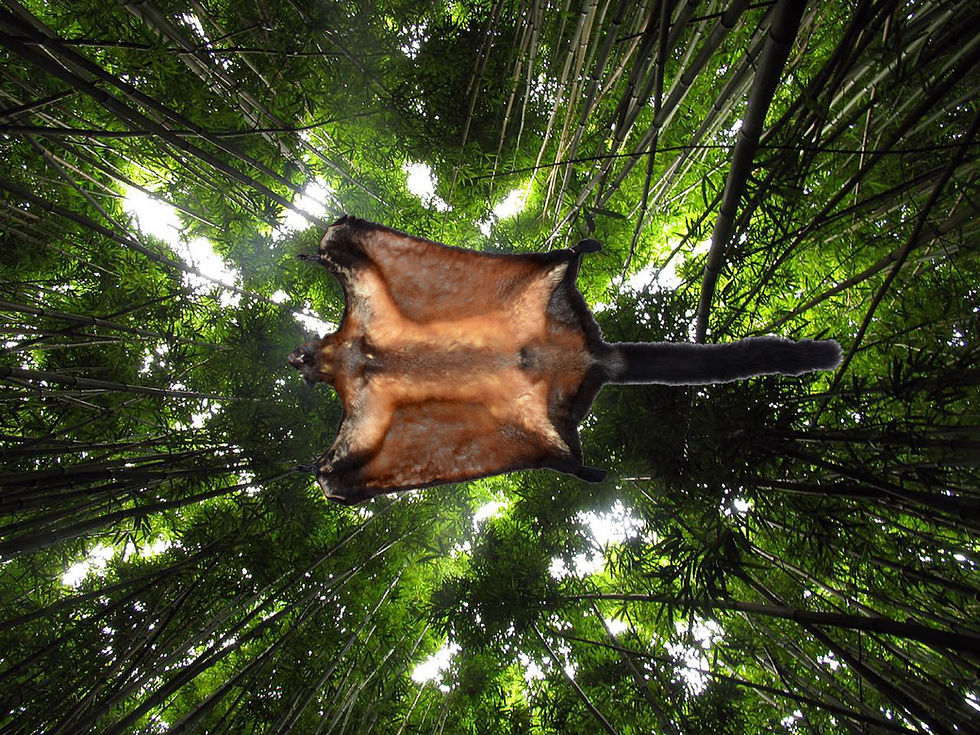
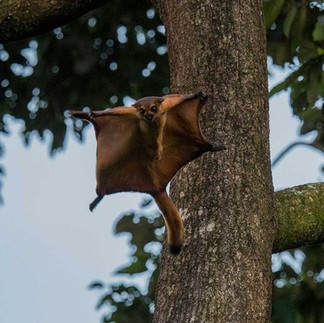
Arunachal Pradesh stands as the exclusive refuge for the Namdapha flying squirrel (Biswamoyopterus biswasi), a critically endangered mammal that embodies both scientific intrigue and conservation urgency. Endemic to India, this elusive species has garnered international attention for its mysterious status, ingenious adaptations, and the near-mythical aura surrounding its existence.


Discovery, Rarity, and Scientific Mystery

First described in 1981 after a lone specimen was collected in Changlang district’s Namdapha National Park near the Myanmar border, the Namdapha flying squirrel has not witnessed a confirmed sighting since, despite decades of concerted searches and field expeditions. This “ghost of the forest,” as naturalists often call it, epitomizes the challenges in detecting arboreal nocturnal mammals with inherently small populations and extreme habitat specialization. The initial discovery honored Indian zoologist Biswamoy Biswas and defined a new genus, Biswamoyopterus, which now includes two other rare flying squirrel species identified in Laos and China. Taxonomic uncertainties persist, with some experts suggesting all three might be variations of a single species, but detailed evolutionary studies remain limited.


"Gliding through the misty canopies of Namdapha, the elusive Flying Squirrel turns the forest into a magical wonderland."


Distinctive Features and Ingenious Adaptations

Medium-sized among Asian flying squirrels, the Namdapha flying squirrel displays grizzled reddish-brown fur, a striking white underbelly, and an unmistakable ear tuft — traits that separate it from more common red giant flying squirrels nearby. Its head-body length nears 40 cm, complemented by a slightly longer bushy tail. Most distinct is its patagium, a skin membrane stretching from neck to tail, which forms an advanced gliding apparatus capable of spanning up to 150 meters across dense forest canopies. As a strictly nocturnal and arboreal resident, the squirrel has large eyes optimized for night vision, aiding its navigation and foraging in the treetop dark.


Ecological Context: Habitat and Lifestyle

The Namdapha flying squirrel is strictly endemic to the Namdapha Tiger Reserve—an expanse spanning ~1,900 square kilometers of tropical wet evergreen forests, montane woods, and alpine meadows, forming one of India’s most biodiverse landscapes. Within this haven, the species favors tall Mesua ferrea jungles on hill slopes near the Dihing River’s catchment in the Patkai range. Its daily rhythm revolves around sleeping inside hollow tree cavities by day and emerging at night to forage on a diet rich in fruits, nuts, seeds, fungi, flowers, and tree sap.


Conservation Status: Critical Endangerment and Data Deficiency

Rated Critically Endangered by the IUCN Red List, Biswamoyopterus biswasi faces near-immediate risk of extinction. Its very survival is threatened by rampant habitat loss—illegal logging, agricultural expansion, infrastructure development, and forest fragmentation all encroach upon the contiguous canopy essential for its gliding behavior. While Schedule I of India’s Wildlife Protection Amendment Act (2022) affords the highest legal safeguards, practical enforcement remains sporadic and challenging. Conservation is further complicated by a lack of data; with only one confirmed specimen and mostly anecdotal reports since, researchers have little information about population size, reproductive biology, or precise ecological needs. Global initiatives such as the Search for Lost Species have spotlighted the Namdapha flying squirrel, placing it among the world’s most wanted lost species—a vivid symbol of both fragility and resilience.


Recent Developments and Hope

In the wake of more than 40 years without a confirmed sighting, recent unverified photographs and anecdotal sightings from Namdapha National Park have sparked renewed optimism. Ongoing DNA studies and intensified fieldwork aim to confirm the species’ presence and guide future conservation action. Efforts are underway to integrate local community involvement, scientific research, and ecosystem restoration, recognizing that protecting the Namdapha flying squirrel means safeguarding one of India’s richest biodiversity hotspots.


Global Significance and Conservation Imperatives

The Namdapha flying squirrel’s plight highlights the broader dilemma of “data-deficient species” in conservation biology-species so rare and evasive that scientists cannot reliably determine trends or needs, calling for holistic protection of entire ecosystems. As Northeast India faces mounting development pressures, the survival of creatures like Biswamoyopterus biswasi serves as a powerful reminder of the urgent need for habitat preservation, scientific study, and global commitment to conserving Earth’s rarest mammals.


For Arunachal Pradesh and the world, the Namdapha flying squirrel remains a silent glider-its presence both a symbol of nature’s mysteries and a clarion call for conservation action in the 21st century


🌄 Bomdila Pass – Gateway to Serenity and Strength

Nestled at 8,500 ft in the Eastern Himalayas of Arunachal Pradesh, Bomdila Pass stands as a silent sentinel of India's rich heritage and strategic resilience. Once a critical point during the 1962 Sino-Indian War, this breathtaking mountain pass now whispers tales of courage amidst the clouds. Adorned with fluttering prayer flags and wrapped in the majestic embrace of the Himalayas, Bomdila is not just a path through the mountains—it's a journey through time, spirit, and sacrifice.

Through centuries, Bomdila served as a key trade route connecting the plains of Assam with the Tibetan highlands. It was also used by the Ahom kings of Assam during military campaigns against Himalayan tribes. The pass’s military relevance was sharply emphasized during the Indo-China War of 1962, when it became the last major Indian defensive post before the Chinese advanced into Indian territory. The Bomdila War Memorial now stands in solemn remembrance of the soldiers—most notably Subedar Pritam Singh and his platoon—who laid down their lives defending the frontier.


Tawang War Memorial – A tribute in stone and spirit . Each prayer flag flutters with their legacy—courage, sacrifice, and eternal patriotism.

Demography and Habitats

Bomdila serves as the administrative headquarters of West Kameng district. According to the 2011 Census, the town had a population of 8,370, with a modest growth rate of 2.3% per annum from 2001 to 2011. The gender distribution showed a slightly higher male population (4,372 males) compared to females (3,998).

Of particular note is the Scheduled Tribes (ST) population, which comprises over 50% of the population (4,310 individuals) and forms the socio-cultural backbone of the region. Bomdila boasts a relatively high literacy rate for a remote Himalayan location, with 5,686 literate individuals, supported by government educational initiatives and monastic schools.

Habitations in and around Bomdila are a blend of traditional tribal architecture and emerging urban clusters. Homes are often built from wood, stone, and bamboo, tailored for insulation against the region’s cold climate and snowfall. The surrounding landscape features lush apple orchards, orchid farms, and high-altitude meadows, which support local livelihoods and form a vital part of Bomdila’s ecological identity.


Culture and Traditions

The cultural tapestry of Bomdila is richly woven with the traditions of the Monpa tribe, who form the majority of the population. Other indigenous communities, including the Sherdukpen, Aka, and Miji, also contribute to the region’s diverse cultural ecosystem.

The Monpas, adherents of Mahayana Buddhism, maintain close spiritual and cultural ties with Tibetan customs. This is most vividly embodied in the Bomdila Monastery, a serene and sacred space that not only serves as a place of worship but also functions as a center for education, community events, and the preservation of traditional art forms.

Festivals are an integral part of life in Bomdila. Losar, the Tibetan New Year, is celebrated with grandeur—marked by communal prayers, masked dances, and traditional attire. The Bomdila Festival further showcases regional identity through exhibitions of local crafts, cuisines, and folk performances, drawing both locals and tourists alike.

Culinary traditions are deeply rooted in indigenous practices. Dishes often include yak meat, organic vegetables, and dairy products like yak cheese. Local handicrafts, especially woolen garments made from yak or sheep wool, are prized for both their functionality and cultural significance.


Bomdila Monastery radiates peace and devotion, nestled in the Himalayas—where prayer flags flutter and spirituality meets the clouds.

Today, Bomdila Pass is a place where tradition harmoniously coexists with measured modernization. Infrastructure improvements—especially in road connectivity—have made the region more accessible, stimulating both eco-tourism and local economic development. However, the region remains committed to sustainable practices, ensuring that growth does not compromise ecological and cultural integrity.

The economy revolves around horticulture (apples, kiwis, and orchids), agriculture, handicrafts, and a growing tourism sector. Bomdila's markets bustle with activity, yet the surrounding environment retains its tranquility and low pollution levels, thanks to the absence of heavy industries and the region’s environmental awareness.

Climatically, Bomdila enjoys pleasant summers (April–June) and cold winters, often punctuated with snowfall, especially between November and February. The region sees peak tourist inflow during the festive months (October to April), when the landscape and cultural events are most inviting.

Bomdila Pass holds critical military significance as a strategic gateway in the Eastern Himalayas, linking Tawang—a sensitive border region—with the rest of India. This mountainous corridor plays a vital role in facilitating troop movement, logistical supply, and defensive operations, particularly in times of heightened border tensions.


 Lose Yourself in the Clouds: The Untouched Beauty of Bomdila Pass
 Lose Yourself in the Clouds: The Untouched Beauty of Bomdila Pass
Bomdila Pass: Where Clouds Kiss the Himalayas and History Whispers Through the Wind  → Discover a hidden Himalayan gem with tales of valor, beauty, and boundless serenity.

Journey Through Bomdila Pass – Arunachal’s Gateway to Heaven → Explore winding roads, Buddhist charm, and snow-draped silence in one of India’s most breathtaking mountain passes.

Bomdila Pass: Where Nature, Culture, and Courage Converge

Legacy and Current Relevance

Bomdila Pass is now a living testament to India’s defense history and future preparedness. It serves three overlapping roles:

  1. A Tactical Military Checkpoint: Hosting outposts and surveillance systems that monitor high-altitude routes and ensure troop support.

  2. A Symbol of National Valor: The war memorials and stories of battlefield heroism preserve the memory of those who fought in 1962 and reinforce local and national pride.

  3. A Critical Node in Modern Defense Planning: As part of a network of frontier defenses, Bomdila is now embedded in India's efforts to assert control and readiness along the Line of Actual Control (LAC).


Conclusion

Bomdila Pass represents more than just a mountain corridor—it's a confluence of history, culture, community, and nature. With its deep-rooted tribal traditions, historical relevance, and evolving present, Bomdila offers a unique window into the soul of Arunachal Pradesh. Whether as a strategic location during times of war or as a peaceful center of Buddhist learning and Himalayan culture, Bomdila Pass remains a vibrant emblem of resilience, reverence, and regional identity.


bottom of page